
Looking for new tax regime vs old tax regime 2026? Here is everything you need to know.
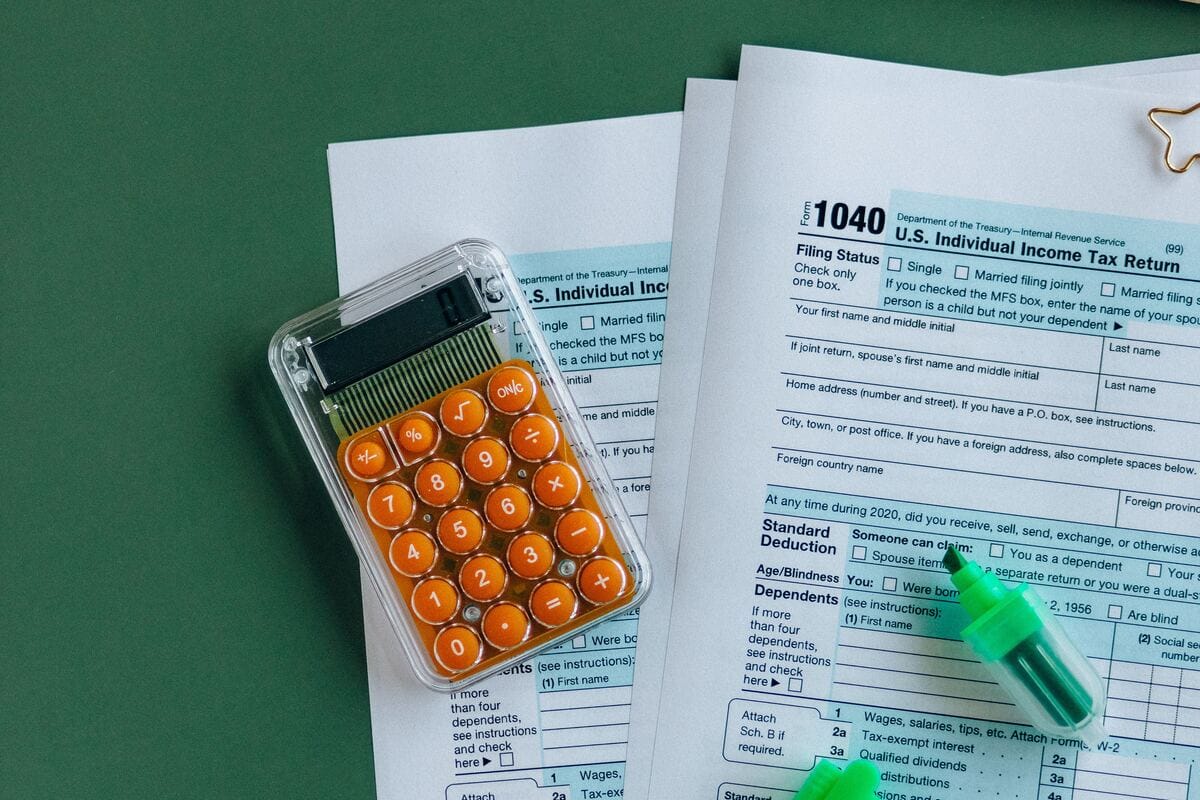
The choice between the new and old tax regime is the most important tax decision for every salaried individual in India. The new tax regime, which became the default option from FY 2023-24, offers lower tax rates but eliminates most deductions. This comprehensive comparison helps you calculate which regime saves you more money based on your specific situation.
New Tax Regime Vs Old Tax Regime 2026: New Tax Regime Rates (FY 2025-26)
Under the new regime: income up to ₹3 lakh is tax-free, ₹3-7 lakh is taxed at 5%, ₹7-10 lakh at 10%, ₹10-12 lakh at 15%, ₹12-15 lakh at 20%, and income above ₹15 lakh at 30%. A standard deduction of ₹75,000 and rebate under 87A for income up to ₹7 lakh make this regime attractive for those with fewer deductions. Salaried individuals effectively pay zero tax on income up to ₹7.75 lakh.
Old Tax Regime Benefits
The old regime allows deductions including Section 80C (₹1.5 lakh for ELSS, PPF, insurance premiums), 80D (health insurance premium up to ₹25,000-₹1 lakh), HRA exemption, home loan interest under Section 24(b) (up to ₹2 lakh), NPS under 80CCD(1B) (additional ₹50,000), and LTA. For someone maximizing all deductions, the old regime reduces taxable income by ₹4-6 lakh or more, which can more than offset the higher tax rates.
Break-Even Analysis
At ₹10 lakh gross salary, the new regime is almost always better unless you have significant HRA benefits. At ₹15 lakh, the old regime wins if your total deductions exceed ₹3.75 lakh. At ₹20 lakh, the old regime is better if deductions exceed ₹4.25 lakh. At ₹25 lakh+, the old regime increasingly favors those with home loans, as the ₹2 lakh interest deduction plus other benefits create substantial savings. Use our tax calculator on MoneyPundit to compare both regimes with your exact numbers.
Who Should Choose Which Regime
Choose the new regime if you do not have a home loan, live in your own house (no HRA), and your only deduction is 80C. Choose the old regime if you pay HRA in a metro city, have an active home loan, invest in NPS for the extra ₹50,000 deduction, and have health insurance premiums for yourself and parents. Remember, you can switch between regimes every year (salaried) or once in a lifetime (business income), so evaluate annually.
Can I switch regimes every year?
Yes, salaried individuals can switch between old and new regimes every financial year. Those with business or professional income can switch only once after opting for the new regime. Make your choice at the start of each year to optimize tax-saving investments accordingly.
Is the new tax regime better for everyone?
No — it depends entirely on your deduction profile. The government designed the new regime to be simpler, but individuals with home loans, HRA, and disciplined 80C investments often save more under the old regime. Always calculate for your specific situation.
2026 Tax Slabs Comparison
The new tax regime for FY 2025-26 offers these slabs: ₹0-4 lakh (Nil), ₹4-8 lakh (5%), ₹8-12 lakh (10%), ₹12-16 lakh (15%), ₹16-20 lakh (20%), ₹20-24 lakh (25%), and above ₹24 lakh (30%). The old regime retains ₹0-2.5 lakh (Nil), ₹2.5-5 lakh (5%), ₹5-10 lakh (20%), and above ₹10 lakh (30%). The new regime’s standard deduction is ₹75,000, while the old offers ₹50,000 but compensates with extensive deductions.
The new regime provides a full rebate under Section 87A for taxable income up to ₹12 lakh (after standard deduction), effectively making income up to ₹12.75 lakh tax-free. This is a game-changer for middle-income earners — no investment planning or deduction management needed to enjoy zero tax. Use our Tax Calculator to compare your exact liability under both regimes with your actual income and deductions.
Break-Even Analysis: When Does Old Regime Win?
The crossover point depends on your income level and total deductions. For income up to ₹12 lakh, the new regime almost always wins due to the Section 87A rebate. For income between ₹12-20 lakh, the old regime becomes better if your total deductions exceed approximately ₹3.75-₹4.5 lakh. Above ₹20 lakh income, the old regime wins when deductions exceed ₹5-6 lakh.
Typical deductions for a metro salaried employee: Section 80C (₹1.5 lakh), HRA exemption (₹1.5-₹3 lakh in metros), Section 80D health insurance (₹25,000-₹75,000), NPS 80CCD(1B) (₹50,000), and home loan interest Section 24(b) (up to ₹2 lakh). If these add up to ₹4.5 lakh or more, the old regime likely saves more tax. Create a spreadsheet listing every deduction you can claim and compute both regime scenarios.
Strategic Considerations Beyond Pure Tax Saving
The new regime’s simplicity has hidden value — you’re free from the pressure to invest ₹1.5 lakh in 80C instruments every year, which means more flexibility in how you deploy your money. If you’d been investing in poor-return endowment policies or unnecessary insurance just for the tax deduction, the new regime liberates you to invest in better-performing assets.
However, if your deductions represent genuine financial planning (PPF for retirement, ELSS for wealth building, health insurance for protection, home loan for housing), the old regime rewards you for good financial behavior. Salaried employees can switch between regimes each year when filing their return — use this flexibility to choose the better option each year based on actual (not estimated) deductions. Self-employed individuals can change only once. Evaluate annually using our Take Home Salary Calculator and adjust your employer’s TDS accordingly to avoid either overpayment or a surprise tax bill at year-end.
